
Dental Veneers vs. Crowns- Understanding the Best Choice for Your Smile
Ever stared in the mirror, wishing your teeth looked straighter, whiter, or just more even? You’re not alone. Dental veneers and crowns top the list for smile makeovers, but picking the right one can feel overwhelming. This guide breaks down the key differences, pros, cons, and real-world scenarios to help you decide what’s best for your pearly whites.
What Are Dental Veneers?
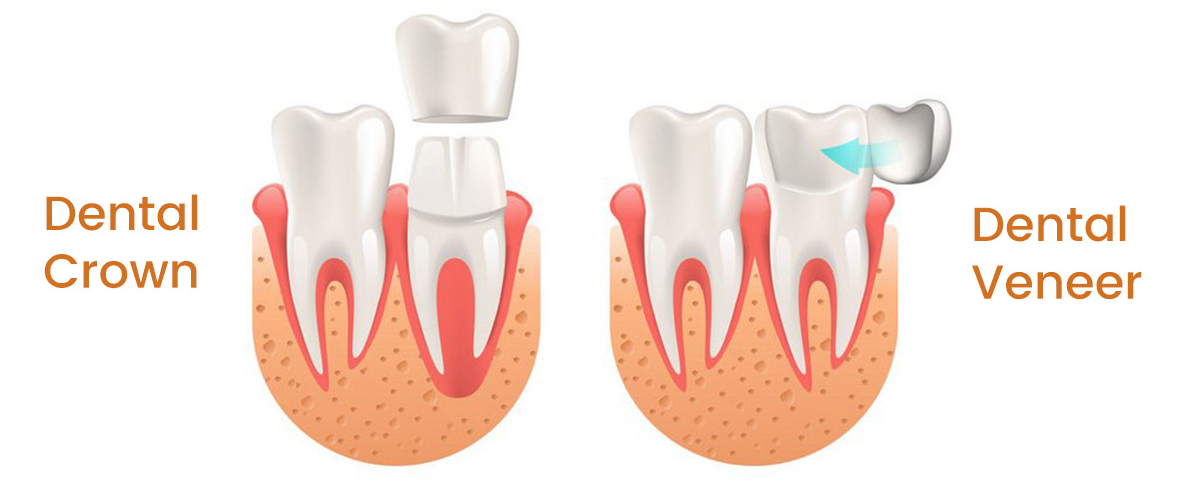
Think of veneers as a thin, custom-made shell glued right onto the front of your teeth. Made from porcelain or composite resin, they mask imperfections like chips, gaps, or discoloration without overhauling the whole tooth. Dentists shave off just a sliver of enamel—often less than a millimeter—to make room, keeping most of your natural structure intact.
Veneers shine for cosmetic fixes on front teeth. That crooked canine or coffee-stained incisor? Veneers can transform it into a Hollywood-worthy smile. They resist stains better than natural enamel and feel incredibly natural when done right. Most last 10-15 years with good care, though habits like nail-biting or teeth-grinding can shorten that.
What Are Dental Crowns?
Dental Crowns, on the other hand, act like a full-tooth helmet. They cap the entire visible portion above the gumline, from top to bottom and all around. This makes them ideal for teeth that are cracked, badly decayed, or weakened by large fillings. Preparation involves more reshaping—up to two millimeters of tooth removal—to ensure a snug fit.
Unlike veneers, crowns aren’t just about looks; they restore function too. A molar shattered from chewing ice? A crown strengthens it, preventing further breakage. Materials range from porcelain-fused-to-metal for durability to all-ceramic for a seamless blend. Expect 10-15 years of service, sometimes longer, but they might need replacement if the underlying tooth shifts.
Key Differences at a Glance
| Feature | Veneers | Crowns |
|---|---|---|
| Coverage | Front surface only | Entire tooth |
| Tooth Removal | Minimal (0.5–1mm) | Significant (1.5–2mm) |
| Primary Use | Cosmetic (chips, gaps) | Restoration + aesthetics |
| Duration | 10–15 years | 10–15+ years |
| Cost (per tooth) | $900–$2,500 | $1,000–$3,000 |
| Invasiveness | Low | Higher |
Pros and Cons Breakdown
Veneers win for subtlety. Pros include quick application, natural translucency, and no dark lines at the gum. Cons? They’re not for heavy biters and can chip if you’re rough on them. Crowns excel in strength, protecting compromised teeth from fracture. Drawbacks involve more drilling, potential sensitivity post-procedure, and a bulkier feel initially.
Maintenance matters for both. Brush twice daily, floss, and skip hard foods. Night guards help grinders extend lifespan. Regular check-ups catch issues early, like decay creeping underneath.
Which One Fits Your Smile?
Front teeth with minor flaws? Go veneers—they preserve your tooth and deliver that instant glow-up. Back teeth or damage from injury? Crowns provide the reinforcement you need. Got a mix? Some smiles combine both for full harmony. Age, budget, and oral health play in too—consult your dentist for X-rays and a personalized plan.
Ultimately, the “best” choice hinges on your goals. Craving aesthetics without major work? Veneers. Needing strength alongside beauty? Crowns. Schedule that consult soon—modern dentistry makes flawless smiles achievable, minus the regret.