
Breaking the Cycle: How Dentists Help Manage Chronic Oral Pain
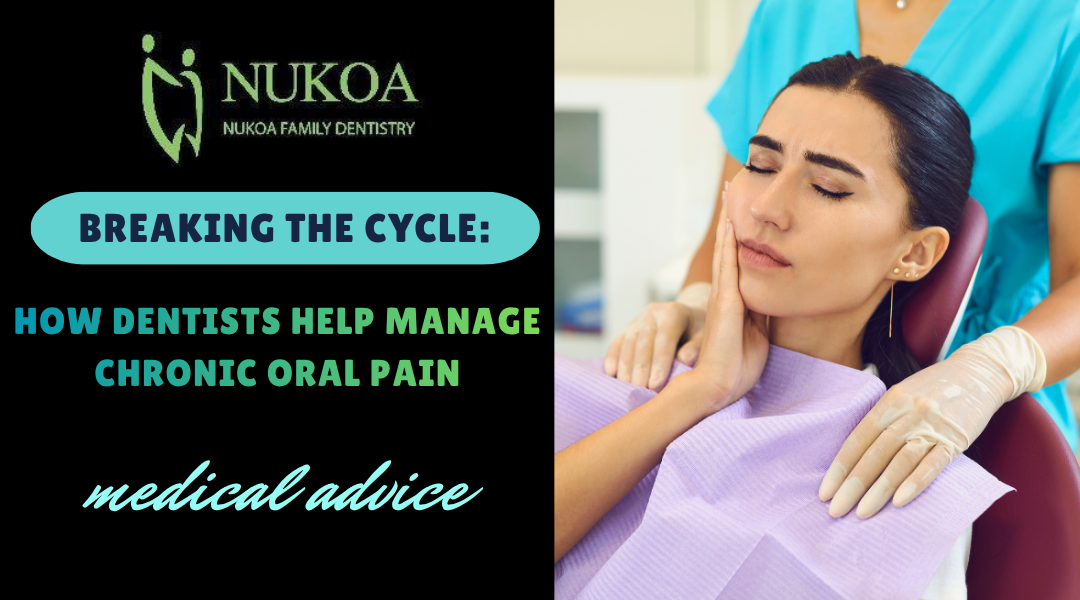
When your teeth ache or your gums throb, even just eating or brushing feels like a struggle. It’s one thing to deal with occasional pain, but when it sticks around day after day, it starts messing with your mood, your sleep, and your health.
Chronic oral pain sticks around. If you’ve got pain in your teeth or mouth that shows up every day or every week and just won’t quit for weeks—or longer—that’s not just a regular toothache. It’s more like a nagging, dull ache that hangs out in your teeth, jaw, face, sinuses, or even your muscles.
If you’re living with chronic pain, you may struggle to enjoy your food, talk to others or sleep through the night. It can make concentrating at work or school difficult and contribute to your mental health.
Many patients experience some sort of ongoing pain without knowing why or that there are treatment options to provide relief. Dentists can diagnose the cause of your chronic pain and help you find relief. Let’s break down what chronic oral pain is, what causes it and how your dentist can help treat it.
What Is Chronic Oral Pain?
So if someone has chronic oral pain, it means their mouth pain lasts way longer than normal. Dentists usually figure out what’s causing short-term aches pretty quickly. But when the pain lingers for weeks or months, the puzzle gets a lot harder.
Chronic oral pain can feel like:
√ Aching
√ Shooting or sharp pains
√ Burning
√ Pressure in your jaw or face
√ Sensitivity in your teeth/gums
Come and go or be consistent all day. Sometimes chronic oral pain isn’t caused by an obvious dental problem.
Common Causes of Chronic Oral Pain
1. Temporomandibular Joint (TMJ) Disorders
Take TMJ problems, for example. Those joints connect your jaw to your skull, and you use them all the time—talking, eating, yawning. If they’re strained or out of line, you’re going to notice. People often mention jaw pain or stiffness, popping or clicking sounds when they move their mouth, trouble opening wide, and sometimes headaches or ear pain.
1. Obstructive Sleep Apnea (OSA)
This one’s everywhere. It happens when your throat muscles relax way too much, blocking your airway. You stop breathing for a bit, your body freaks out and forces the airway open so you can breathe again.
2. Teeth Grinding (Bruxism)
If you grind your teeth at night, it wears down your enamel and leaves your jaw sore. You wake up with your jaw tight, and that ache can stick with you throughout the day.
3. Nerve-Related Pain
4. Gum Disease
5. Tooth Sensitivity
6. Oral Infections
7. Burning Mouth Syndrome
Why Chronic Oral Pain Gets Ignored
A lot of people wait, hoping their pain will just go away. Sometimes, they don’t even realize it’s a dental issue. Chronic pain can come from stress, tense muscles, or other health problems—which makes a specialist’s opinion pretty important.
How Dentists Diagnose Chronic Oral Pain
When nukoadentisty dentists try to figure out why someone’s dealing with chronic oral pain, they really dig deep. So first, the dentist checks everything: your teeth, gums, jaw, and how your bite fits together. They dig into your medical history, ask about your symptoms, your daily routines, any stress, or other health issues that could be linked. If they need a closer look, they’ll take X-rays or scans to spot infections or jaw problems. Sometimes, if things get tricky, they call in other specialists to help diagnose or treat the issue.
Treatment Options for Chronic Oral Pain
How your dentist treats chronic oral pain depends on what’s causing it. You’ll get a treatment plan tailored just for you. Here are some of the main strategies:
1. Bite Adjustment
2. Custom Mouthguards
3. Medications
4. Physical Therapy
5. Stress Relief
6. Treating Related Conditions
The Dentist’s Role in Long-Term Pain Management
Dentists aren’t just good for quick fixes. They explain what’s behind your pain management, teach you how to keep it from coming back, and keep tabs on your recovery. If something shifts, they adjust your treatment plan so you’re always moving forward.
Lifestyle Changes That Support Recovery
You’re not on your own at home, either. There are a few things you can do every day to make recovery easier:
√ Brush and floss regularly
√ Stick to softer foods
√ Use stress-relief techniques that work for you
√ Try a warm compress on your jaw for relief
√ Always follow your dentist’s advice
When you combine the dentist’s plan with good habits at home, managing chronic oral pain gets a whole lot easier.
When Should You Seek Help?
Don’t wait if you’re dealing with any of these problems:
- Pain in your mouth or jaw that just won’t go away
- Chewing or talking hurts
- Pain sticks around and doesn’t get better
- Your jaw clicks, feels stiff, or locks up
- Pain makes everyday stuff harder
If you catch the problem early, you’re more likely to stop things from getting worse.
Breaking the Cycle of Pain
Living with mouth or jaw pain wears you down, but you don’t have to just tolerate it. With the right diagnosis and treatment, things start to improve, and before you know it, you’re back to your routine.
Dentists know how to break the cycle. They treat both the pain and whatever’s causing it, so you really get better—no more just masking the symptoms.