
How Sugar Affects Your Teeth: More Than Just Cavities
It’s no secret that too much sugar is bad for people’s teeth. But there are still those who think that the issue is all about candy. The truth is, sugar can damage your teeth in more ways than you think–and sometimes before your first cavity ever appears. Sugar is sneaked into many food items that are consumed on a daily basis without much thought that go by the names of soft drinks, sauces, flavored beverages and packaged snacks etc.
Once you start to understand the effect of sugar on your teeth, you’ll be able to make much better choices for your dental care. Fortunately, there’s no need to avoid all sugar to keep your teeth in good health. Simple everyday changes and improved oral hygiene can go a long way in the long run.
Your Mouth Is Full of Bacteria
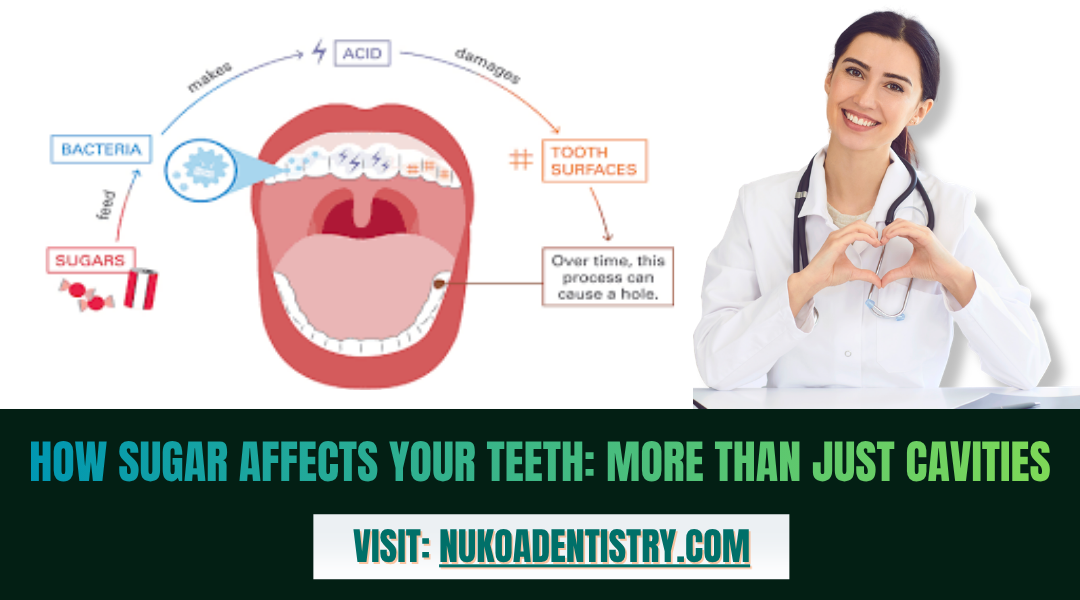
There are millions of bacteria in the human mouth that are naturally present. These bacteria can be beneficial, but under certain circumstances, they can be harmful. Whenever you consume anything sweet, the harmful bacteria will consume the sugar, and start creating acids.
These are the acids that actually cause the problem!
Your teeth’s tough outer layer, called enamel, is strong but not invulnerable. This protective layer is gradually lost due to the actions of acids. Over the course of the day, this can repeat and the enamel will start to dissolve. Over time small holes develop in the teeth and become cavities.
This process may occur over a period of time and many people may not realize that something is wrong until they begin to feel pain and/or sensitivity.
Why Sugar Creates the Perfect Environment for Tooth Decay
Sugar itself doesn’t cause dental harm. Rather, it serves as food to the bad bacteria that live inside the mouth. After bacteria break down sugar, acids are produced. This acid stays on the teeth for a while, raising the risk for enamel wear.
The more sugary foods or drinks are eaten or drunk the longer the teeth are exposed to acid.
Snacking often can be detrimental as it allows the acid attack process to begin again. Sugar is a risk factor for tooth decay, even if eaten in small amounts throughout the day.
That’s why it’s better to drink a sugary drink over a longer period of time than to drink a dessert in one sitting.
It’s Not Just Candy That Causes Problems
Sugar is something that people tend to think of when they think of something sweet, such as chocolates, sweets, desserts, etc. Many of the foods we eat, though, also have a lot of hidden sugar.
Some examples include:
- Soft drinks
- Energy drinks
- Sweetened coffee beverages
- Packaged fruit juices
- Breakfast cereals
- Flavored yogurt
- Biscuits and cookies
- Sauces and ketchup
- Sports drinks
- Packaged snacks
Added sugars can be found in foods that are marketed as “healthy”. So, when you can read the nutrition label, you can increase your awareness of the amount of sugar you’re consuming every day.
Sugary Drinks Can Be Worse Than Sugary Foods
Sweets drinks can cause as much harm as solid foods. The sugar sticks to the whole mouth and remains on the teeth for a longer time when drinking. Furthermore, many drinks are already acidic before the bacteria even start to create more acid.
One of the most significant is soft drinks, which are high in sugar and high in acidity. Frequent consumption of energy drinks or flavored sodas can also cause a much lower degree of enamel erosion.
A second problem is that individuals tend to take these beverages over a period of time. This means that the mouth is constantly bathed in acid for hours at a time.
Water, on the other hand, will rinse away food particles and encourage saliva production, which naturally protects the teeth.
How Plaque Forms on Teeth
Plaque is a sticky film that continually builds on the surface of the teeth. It is made up of bacteria, food particles and saliva. In the presence of sugar, plaque bacteria are more active and generate more acid.
Without proper brushing and flossing, plaque can become hard and turn into tartar. When tartar forms, it is quite difficult to remove at home.
Over time, plaque build-up can lead to:
- Cavities
- Gum inflammation
- Tooth sensitivity
- Bad breath
- Gum disease
That’s why proper dental care is critical to avoiding dental issues.
Sugar and Gum Health
The effects of sugar go beyond tooth decay. Too much sugar can cause gum issues as well.
As plaque accumulates from around the gums, it can irritate the gums and cause inflammation. Common early symptoms include redness, swelling or bleeding while brushing.
If left untreated, mild gum irritation may progress into gum disease. If the gum disease is severe, it can compromise the tissue and bone which holds the teeth in place.
Gums are as critical to good oral health as teeth. Thus, proper dental care is crucial to dental health.
The Role of Saliva in Protecting Teeth
Saliva’s role is much more than simply keeping the mouth moist. It is one of the natural systems of resistance against tooth decay in the human body.
Saliva helps:
- Wash away food particles
- Neutralize harmful acids
- Produce minerals for strengthening enamel
- Reduce bacterial growth
But if sugar consumption increases, it may not keep up with the frequent acid attacks.
Other habits like smoking, dehydration or poor nutrition also can lead to dry mouth and cavities.
By drinking sufficient water throughout the day, you’ll maintain a healthy amount of saliva production, which is essential for maintaining good oral hygiene.
Are Natural Sugars Safer?
Fruits and dairy products contain sugars that are safe, but highly processed sugars are unsafe. Fruits also have fiber and water content which can help lower the amount of sugar remaining on teeth.
This doesn’t imply that natural sugars are completely safe, however.
Dried fruit, for instance, can adhere to teeth for extended periods and can possibly cause cavities if they are not thoroughly cleaned. Fruit juices also tend to be high in sugar and low in calcium, and can erode enamel over time.
It is always important to keep a balance and moderation.
Simple Ways to Reduce Sugar Damage
Drink More Water
Limit Sugary Snacks
Brush Properly
Don’t Forget Flossing
Choose Tooth-Friendly Foods
Calcium and fibre foods can help to strengthen teeth. Good options include:
- Cheese
- Yogurt
- Nuts
- Leafy greens
- Apples
- Carrots
- Celery
Crunchy vegetables can also be used to naturally stimulate saliva production.
Visit the Dentist Regularly
Sugar-Free Products and Xylitol
Xylitol is a sugar substitute that is sometimes found in sugar-free gums and teeth products that can help minimize the harmful bacteria in the mouth.
The cavity causing bacteria cannot use xylitol as a food source like they can use regular sugar. Sugar-free gum can also encourage saliva flow after meals – this is a natural way to protect the teeth.
However, sugar-free items should reinforce, not replace, good oral hygiene practices.
Why Children Are Especially Vulnerable
Compared to adults, children are more likely to eat or drink sugary foods. Meanwhile, younger teeth could be more likely to decay if good brushing habits are not learned at an early age.
Healthy eating habits and good oral hygiene can help maintain children’s teeth as their grow.
Just a few simple habits, like drinking water instead of sugar-laden beverages and brushing your teeth before going to bed, can make a difference.
Summing Up
There are several things about sugar that affect the teeth that most people don’t realize. Although cavities are the main worry, sugar also can soften the enamel, encourage the plaque to grow and can lead to gum issues over time.
The great thing is that every day can have an impact on your oral health. Take excessive sugar out of your diet, drink plenty of water, brush properly and visit the dentist regularly for years of protection!
Not necessarily eliminate all sweets, but choose healthy options. With an understanding of the effect sugar has on teeth, though, you will be better able to make choices for your oral health and overall wellness.