
What Is Sleep Apnea? A Dentist Explains the Silent Sleep Disorder
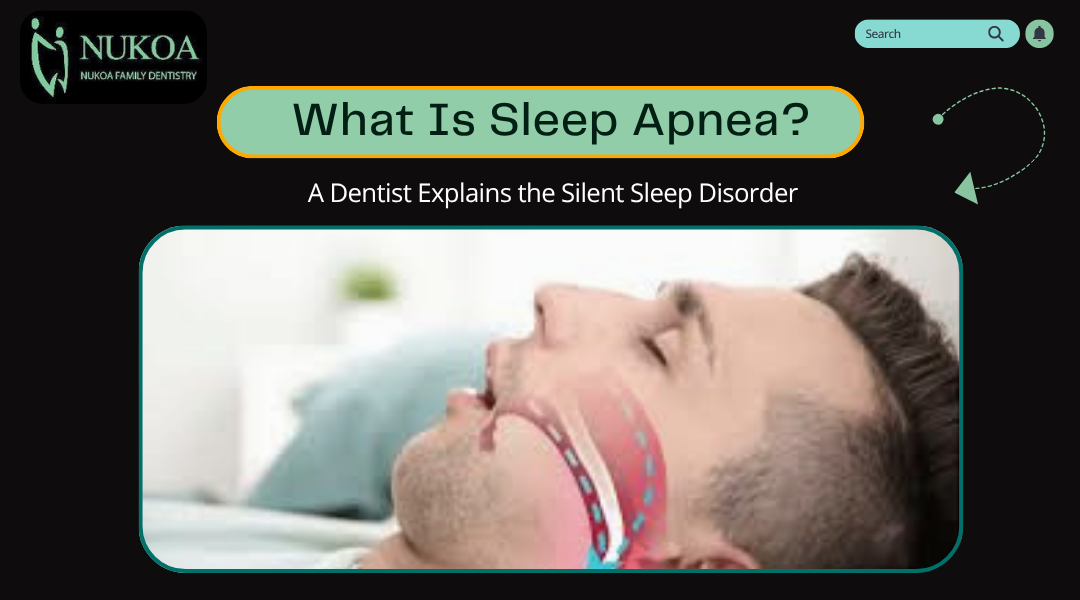
Sleep should recharge your body and mind. But for millions of people, that’s just not happening—often, they don’t even realize why. One of the sneakiest culprits behind lousy sleep is sleep apnea. It’s a condition that usually flies under the radar for years, and honestly, most folks are shocked to find out dentists are now helping spot and manage it.
Understanding Sleep Apnea in Simple Terms
Let’s get into it. Here’s what sleep apnea actually is, why it’s so hard to catch, how dentists ended up on the front lines, and what to do if you think it’s messing with your rest.
Breaking Down Sleep Apnea
So, sleep apnea means your breathing keeps stopping and starting while you sleep. These breathing pauses aren’t tiny—they can stretch from a few seconds to over a minute, and they can happen dozens or even hundreds of times in just one night.
Thing is, since it all goes down while you’re asleep, you rarely notice the interruptions. But your body absolutely feels it. Every time your breathing stops, your oxygen levels drop, so the brain wakes you up just enough to get things back on track. The catch? This constant cycle keeps you from hitting the deep sleep you need, so you wake up feeling wiped instead of refreshed.
Why It’s Called a “Silent” Sleep Disorder
Sleep apnea slips under the radar for a lot of folks. You’re not waking up gasping for air every night, so you figure you’re getting a solid seven or eight hours—except you’re not. The interruptions are sneaky. People feel tired, struggle to focus, and start dealing with random health problems, all while thinking their sleep is perfectly fine. Most times, it’s someone else who picks up on the signs first: a partner or relative hears loud snoring, notices you choke or stop breathing for a moment, and realizes something’s off.
Types of Sleep Apnea
1. Obstructive Sleep Apnea (OSA)
This one’s everywhere. It happens when your throat muscles relax way too much, blocking your airway. You stop breathing for a bit, your body freaks out and forces the airway open so you can breathe again.
2. Central Sleep Apnea
Not as common, and it’s pretty different. The airway’s clear, but your brain doesn’t tell your muscles to breathe like it should. It’s more of a communication glitch than a physical problem.
3. Complex Sleep Apnea
Think of this as a mash-up between the first two. People who already have obstructive sleep apnea and start treatment sometimes end up with a mix of both types.
Common Symptoms of Sleep Apnea
Sleep apnea doesn’t always show up the same way in everyone, but there are some clear signs to watch for. If you snore loudly and often, stop breathing for short stretches while you sleep, or sometimes wake up gasping or choking, those are some red flags. Waking up with a dry mouth, a sore throat, or a pounding headache in the morning also points to trouble. You might notice you’re dragging through the day, struggling to focus, feeling cranky for no real reason, or just not remembering things the way you used to. The thing is, these symptoms build up so slowly that a lot of people brush them off—blaming work, stress, or habits like late nights.
Risk Factors You Should Know
Now, there are some things that make sleep apnea more likely. Carrying extra weight, having a thicker neck, or a naturally narrow airway raise your chances. Smoking and drinking don’t help, either. If your family has a history of sleep apnea, or if you often have a stuffy nose, those add to the risk. It’s also something that pops up more often as people get older. Men tend to get it more than women, but women aren’t in the clear—especially after menopause.
How Dentists Help Detect Sleep Apnea
Most people don’t expect their dentist to bring up sleep apnea, but it happens all the time. Dentists spend a lot of time looking at more than just teeth—they check your mouth, jaw, tongue, and even your airway during a routine visit. Sometimes, they notice things like a narrow or crowded airway, teeth flattened from grinding, jaw alignment problems, signs of dry mouth, or teeth that look worn down from clenching at night. All of that can point to sleep breathing issues.
Your dentist might even ask if you snore, sleep poorly, or drag through the day feeling tired. If the signs add up, they’ll usually send you to a sleep specialist to get checked out properly.
The Link Between Oral Health and Sleep Apnea
Sleep apnea doesn’t only wreck your sleep—it hits your teeth and gums, too. People with sleep apnea tend to breathe through their mouths at night, which dries things out fast. Less saliva makes you more likely to get cavities, gum disease, and even bad breath. Grinding is another big problem. When your body struggles for air, you might clench your jaw hard in your sleep and slowly wear down your teeth.
Diagnosis: How Sleep Apnea Is Confirmed
Dentists can spot the warning signs, but an official diagnosis needs a sleep study. Sometimes you stay overnight at a sleep center, or you might use a kit at home. During the study, doctors track your breathing, your oxygen levels, your heart rate, and your brain waves while you sleep. These results show whether you have sleep apnea and how severe it is, so your doctor can help you figure out next steps.
Treatment Options for Sleep Apnea
Lifestyle Changes
If your sleep apnea is on the mild side, small adjustments can go a long way. Dropping a few pounds, skipping drinks before bedtime, or just training yourself to sleep on your side can help. Quitting smoking does, too.
CPAP Therapy
Most people have heard of CPAP machines. They push a steady stream of air into your airway through a mask, keeping everything open so you can breathe at night. They get the job done, but let’s be honest, not everyone feels comfortable strapping on a mask to sleep.
Oral Appliance Therapy (Dentist-Supported)
Dentists can actually craft custom devices that keep your airway open by moving your lower jaw or tongue forward a bit. These oral appliances are quiet, easy to travel with, and pretty comfortable. Dentists usually recommend them for people with mild or moderate sleep apnea—or for folks who just can’t get used to a CPAP.
Surgery
Why Early Treatment Matters
You really don’t want to let sleep apnea slide. If you ignore it, you’re putting yourself at risk for stuff like high blood pressure, heart disease, stroke, type 2 diabetes, and depression. You’ll also notice your overall quality of life drops. Tackling the problem early means you sleep better and protect your health in the long run.
When Should You See a Dentist or Doctor?
Pay attention if you—or the person you sleep with—notice you’re snoring loudly night after night, waking up gasping, or just feeling exhausted even when you thought you got enough sleep. Morning headaches, jaw pain, or grinding your teeth are clues too. Seeing a dentist or doctor as soon as these show up can help you avoid bigger problems and get your sleep back on track.
Living Better With Proper Sleep
Once you’ve treated sleep apnea, most people say they have more energy, better focus, and just feel better overall. Good sleep really does make everything in your day easier.
Final Thoughts
Sleep apnea flies under the radar, but it’s a big deal—and it’s treatable. Dentists are actually great at spotting the signs early and getting you the help you need. If you suspect you’re dealing with it, don’t brush it off. Getting checked and starting treatment can honestly change your life.
Frequently Asked Questions (FAQs)
1. What is sleep apnea?
2. Is snoring always a sign of sleep apnea?
3. Can a dentist diagnose sleep apnea?
4. What is the best treatment for sleep apnea?
5. Are oral appliances effective?
6. Can sleep apnea go away on its own?
7. Is sleep apnea dangerous?
8. How is sleep apnea diagnosed?
9. Can children have sleep apnea?
10. When should I see a doctor?
Go if you’re snoring loudly, feel really tired all the time, or notice your breathing stops while you sleep.